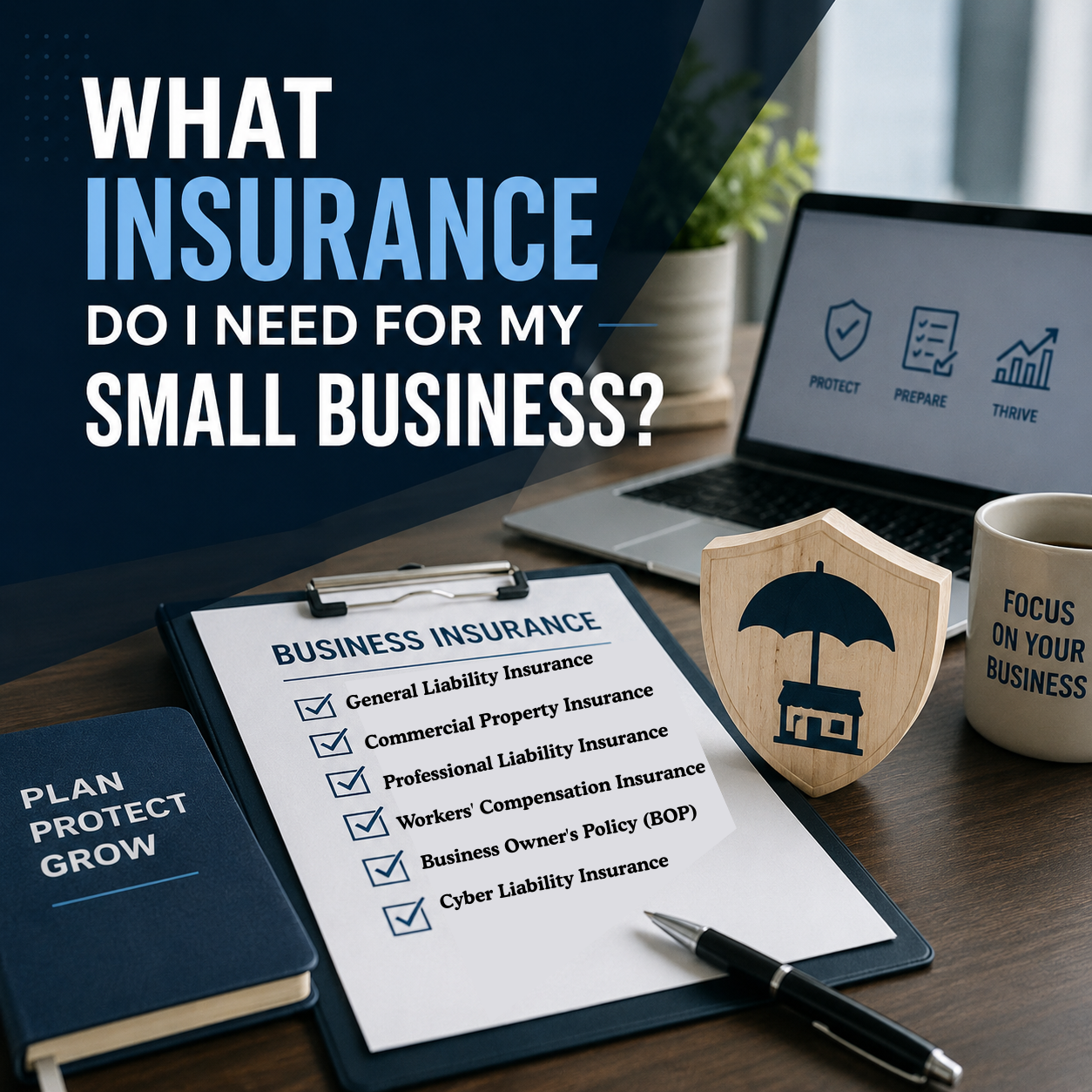
Running a small business involves more than delivering quality products or services, it also means preparing for unexpected risks. A customer injury, damaged property, employee accident, or cyberattack can lead to significant financial losses if your business isn’t properly protected. That’s why having the right small business insurance is one of the smartest investments you can make.
Every business has different insurance needs depending on its industry, size, location, and daily operations. Understanding the most common types of business insurance can help you build a strong foundation for long-term success while protecting your assets, employees, and reputation.
General Liability Insurance
General liability insurance is often considered the cornerstone of business insurance because it protects your company against many of the most common legal claims. If a customer is injured on your property, your business accidentally damages someone else’s property, or you’re accused of personal or advertising injury such as libel or slander, this policy can help cover legal fees, settlements, and medical expenses.
Even businesses that operate from home or primarily online can face liability claims, making this coverage an essential safeguard for nearly every small business owner.
Commercial Property Insurance
If your business owns or leases office space, equipment, inventory, furniture, or tools, commercial property insurance helps protect those assets from covered events such as fire, theft, vandalism, and certain weather-related damage.
Without adequate coverage, replacing damaged equipment or rebuilding after a disaster can place enormous financial strain on your business. Commercial property insurance helps your company recover more quickly so you can resume normal operations with minimal disruption.
Professional Liability Insurance
Professional liability insurance, commonly known as Errors and Omissions (E&O) insurance, is especially important for businesses that provide professional advice or specialized services. Unlike general liability insurance, this policy protects against claims involving negligence, inaccurate advice, mistakes, missed deadlines, or failure to deliver services as promised.
Professionals such as consultants, accountants, financial advisors, marketing agencies, architects, IT professionals, and engineers often rely on this coverage because even an unfounded lawsuit can be expensive to defend. Professional liability insurance helps reduce the financial impact of these claims.
Workers’ Compensation Insurance
If you have employees, workers’ compensation insurance is required in most states. This coverage provides financial protection for both employers and employees when work-related injuries or illnesses occur.
Workers’ compensation typically helps pay for:
- Medical expenses
- Rehabilitation costs
- Partial wage replacement
- Disability benefits
In addition to supporting injured employees, this coverage helps businesses comply with state laws while reducing the risk of costly workplace injury lawsuits.
Business Owner’s Policy (BOP)
Many small businesses choose a Business Owner’s Policy (BOP) because it combines multiple essential coverages into one convenient and often more affordable package. A typical BOP includes general liability insurance and commercial property insurance, while many insurers also allow businesses to add endorsements based on their specific risks.
One of the most valuable optional coverages is business interruption insurance, which can help replace lost income and cover ongoing operating expenses if your business is temporarily forced to close because of a covered event such as a fire or severe storm.
Bundling coverage through a BOP often provides broader protection while helping reduce overall insurance costs.
Cyber Liability Insurance
As businesses increasingly rely on cloud software, online payments, and digital customer information, cyber liability insurance has become an important part of modern risk management. A single cyberattack or data breach can result in significant financial losses, legal expenses, and reputational damage.
Cyber liability insurance may help cover expenses related to:
- Data breaches
- Ransomware attacks
- Customer notification costs
- Data recovery
- Regulatory investigations
- Cyber extortion
Even small businesses are common targets for cybercriminals, making this coverage worth considering for any company that stores sensitive customer or business information.
Do You Need Additional Business Insurance?
Depending on your industry and business operations, you may benefit from additional insurance policies beyond the core coverages discussed above. Businesses that operate company vehicles may need commercial auto insurance, while manufacturers and retailers often purchase product liability insurance. Companies with greater liability exposure may also consider commercial umbrella insurance for additional financial protection.
Reviewing your insurance needs regularly is important, especially as your business grows, hires employees, purchases new equipment, or expands into new markets.
Conclusion
Choosing the right small business insurance is an important part of protecting everything you’ve worked to build. Policies such as general liability insurance, commercial property insurance, professional liability insurance, workers’ compensation insurance, Business Owner’s Policies (BOPs), and cyber liability insurance each address different types of business risk and work together to provide comprehensive protection.
Because every business has unique risks, it’s wise to consult with a licensed insurance professional who can evaluate your operations and recommend coverage that fits your needs. With the right insurance in place, you can focus on growing your business with greater confidence, knowing you’re prepared for unexpected challenges.
Remember, this information serves as educational and informational content only and is not a substitute for legal advice. Before making any changes to your estate plan, consult with a lawyer you trust to ensure your decisions align with your individual needs and circumstances. Click the link below to set up a meeting with O’Brien Estate Law, LLC, where we can discuss your specific situation and guide you towards a comprehensive estate plan.